Duration :
8 Days

Type :
Adventure

Region :
Lamjung, Bhujung village
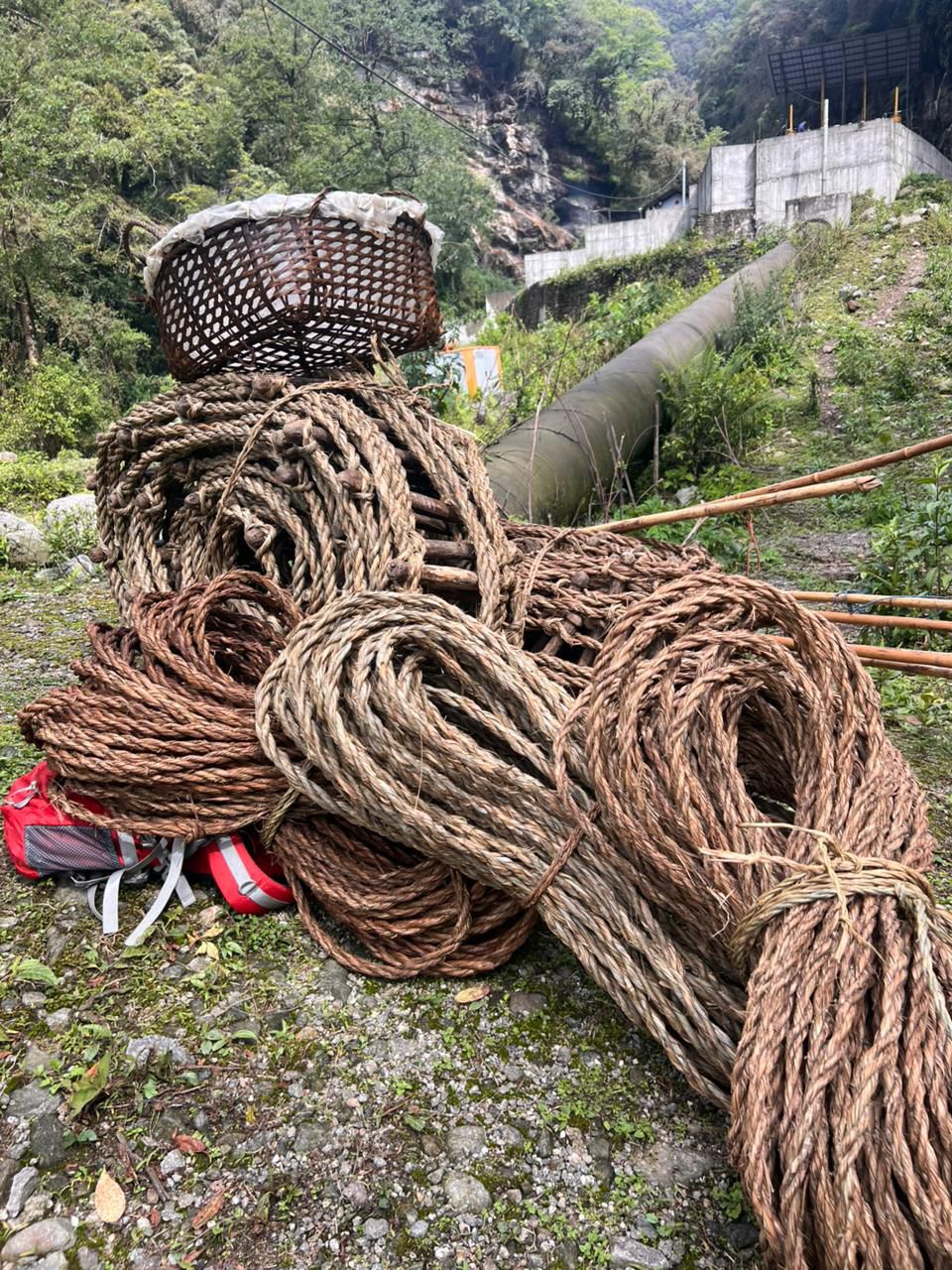
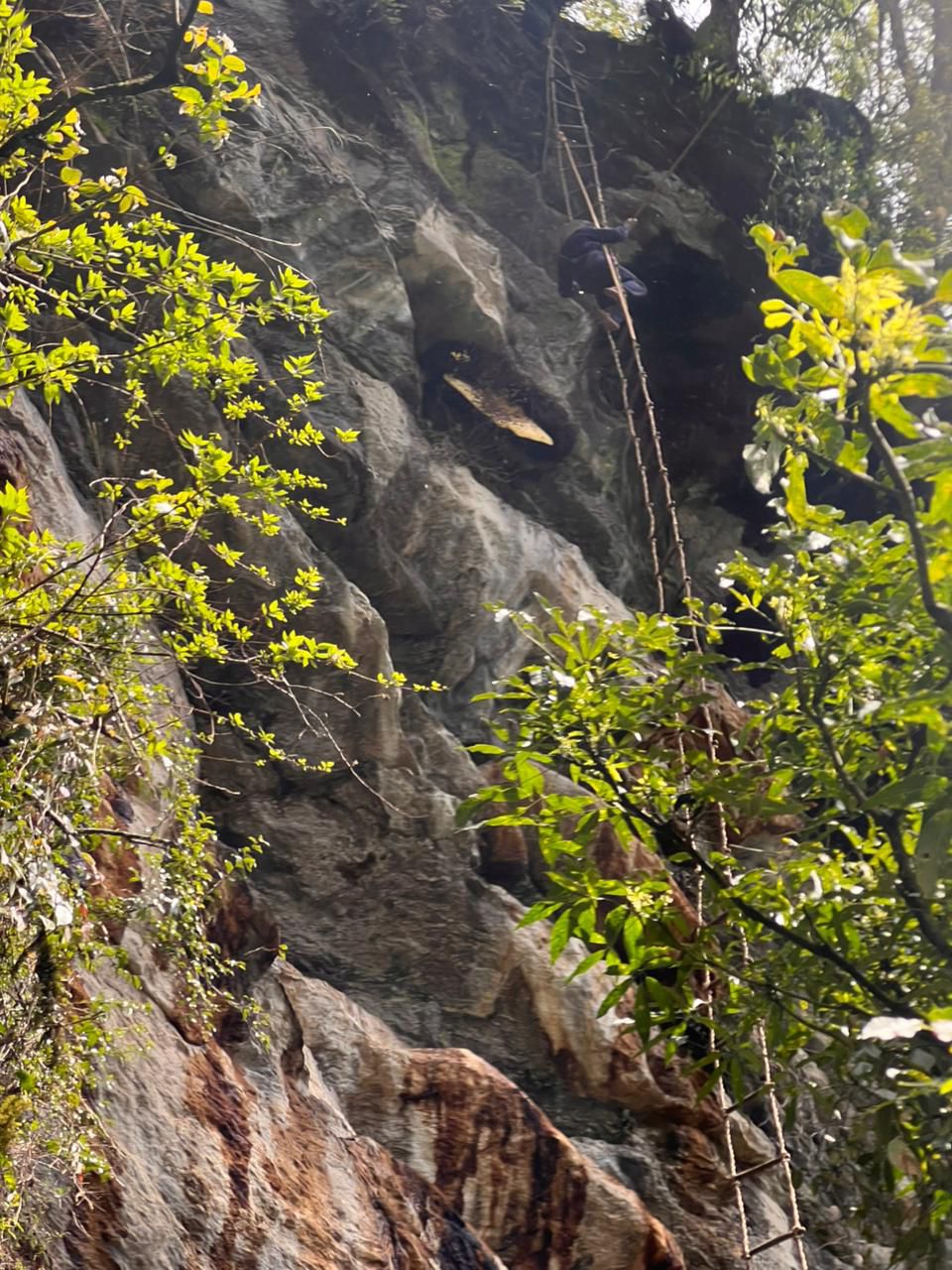
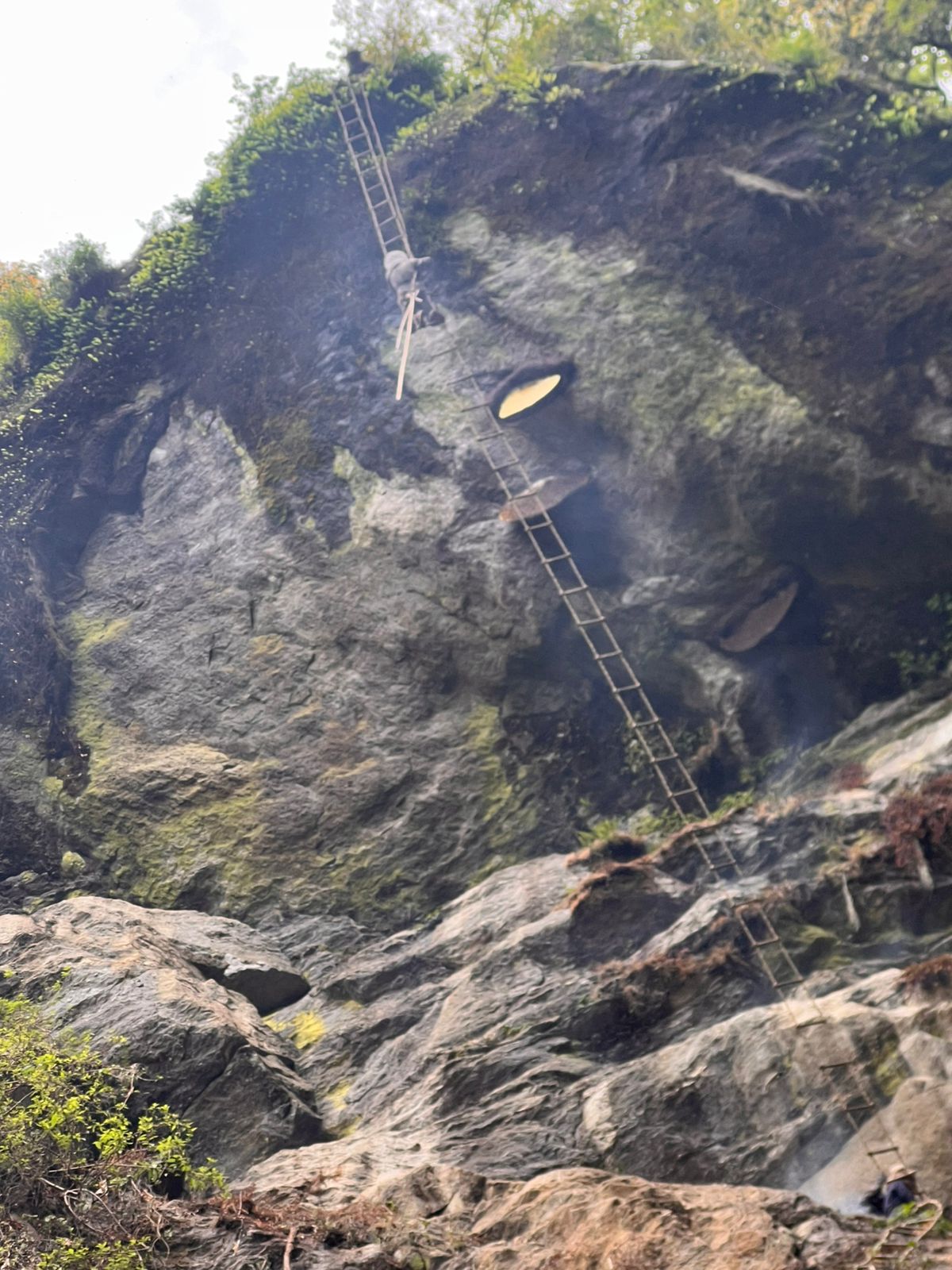
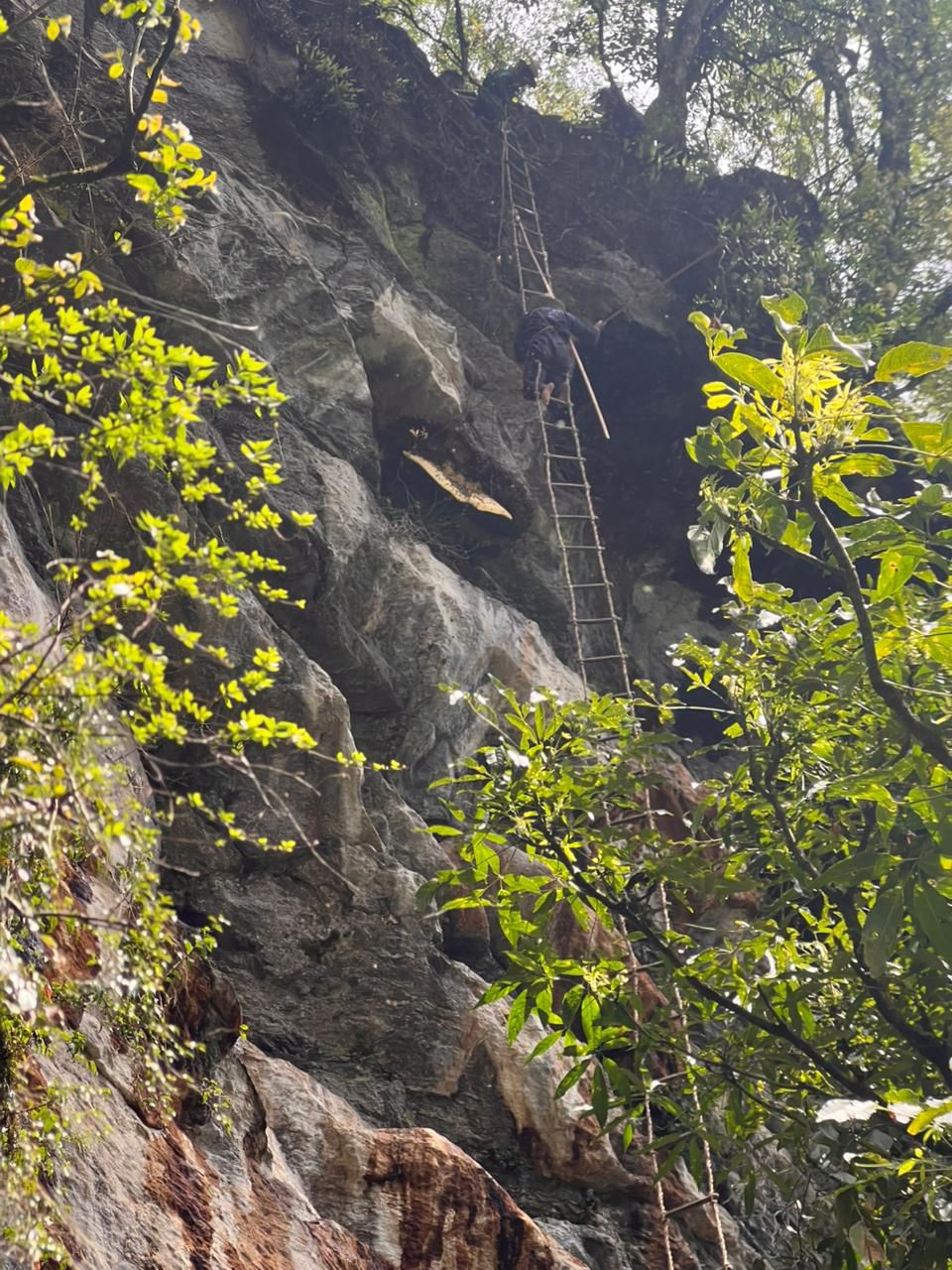
This expedition takes you to the Gurung hunters of the Himalayan cliffs who descend sheer rock faces on handmade bamboo-and-rope ladders to harvest one of the world's rarest substances, mad honey.
Overview
This expedition takes you to the Gurung hunters of the Himalayan cliffs who descend sheer rock faces on handmade bamboo-and-rope ladders to harvest one of the world's rarest substances, mad honey.
The honey comes from Apis dorsata laboriosa, the giant Himalayan honeybee, which forages on high-altitude rhododendrons containing grayanotoxins. Those compounds carry into the honey, giving it mild psychoactive properties. Gurung and Magar communities have harvested it for generations - as medicine, ritual, and trade. What you'll witness is not a performance. It's a livelihood.
What to Expect
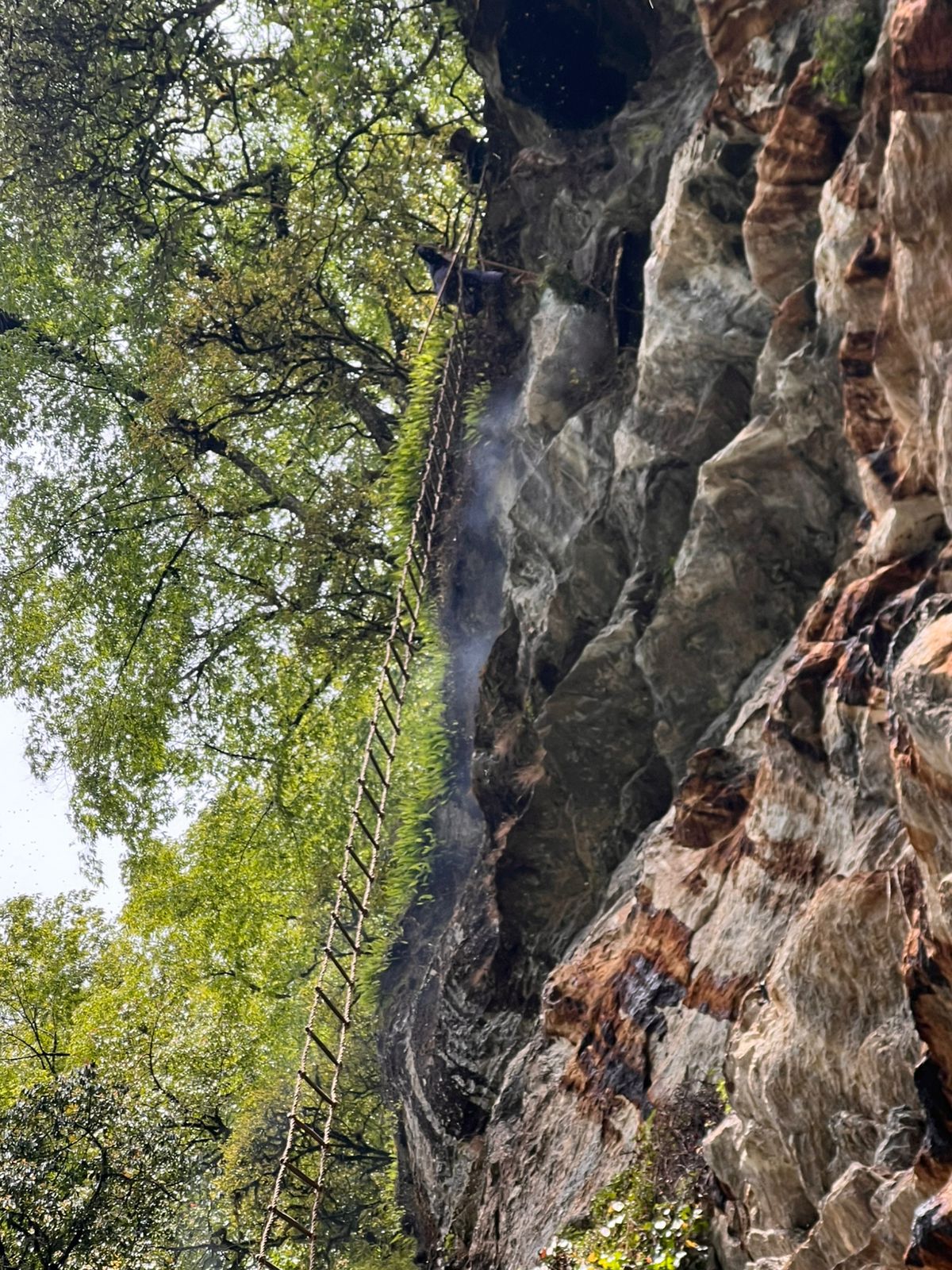
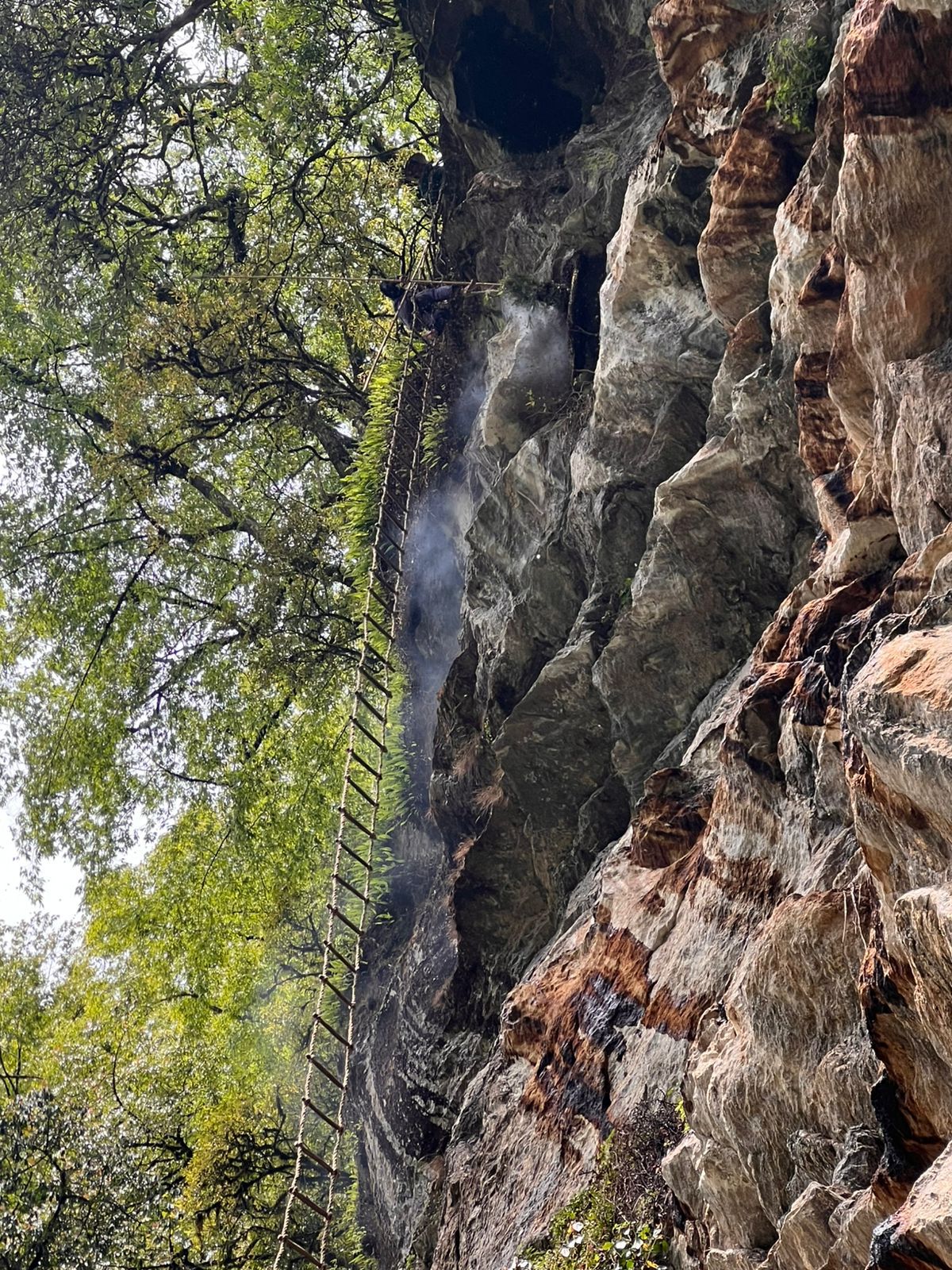
The approach winds through terraced farmland and traditional Gurung villages, giving you a genuine sense of highland life before you ever reach the cliffs. At the harvest site, hunters work the rock face as they always have: smoking out hives, wielding long wooden poles to dislodge combs, surrounded by thousands of bees in open air. You watch from a safe distance as something ancient and unhurried unfolds in front of you.
The Honey Itself
In controlled doses, mad honey has been used locally for joint pain, hypertension, and as a general tonic. In larger amounts, it causes dizziness and disorientation. The hunters know exactly what they're working with, and so will you before the trip.
Highlights
Accommodation: Hotel
Meals: Welcome Dinner
Arrive in Kathmandu and transfer to your hotel. Enjoy free time exploring the lively streets of Thamel before attending a traditional Nepali welcome dinner and tour briefing in the evening.
Accommodation: Homestay
Meals: Breakfast, Lunch, Dinner
Drive through scenic hills, rivers, and terraced fields toward the beautiful Gurung villages in the Lamjung region. Experience local culture, traditional houses, and warm village hospitality.
Accommodation: Homestay
Meals: Breakfast, Lunch, Dinner
Meet local honey hunters and observe preparations for the hunt, including traditional tools, rope ladders, and cultural rituals performed for safety and success.
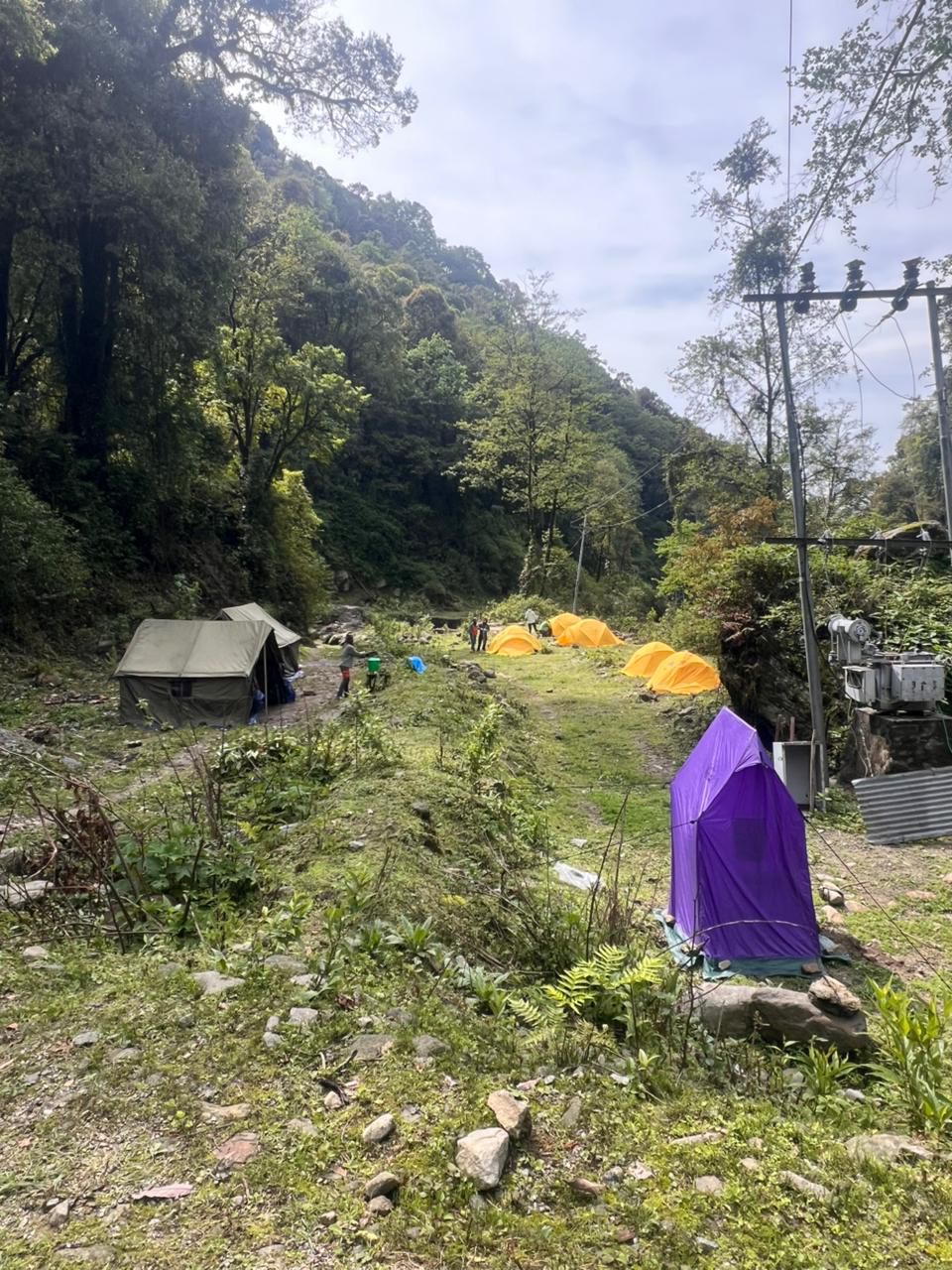
Accommodation: Tent Camping / Basic Lodge
Meals: Breakfast, Lunch, Dinner
Trek through forests and mountain trails toward the remote honey hunting cliffs while enjoying stunning Himalayan landscapes and peaceful village surroundings.
Accommodation: Tent Camping / Basic Lodge
Meals: Breakfast, Lunch, Dinner
Witness the thrilling honey hunting ceremony as local hunters climb steep cliffs using handmade rope ladders to harvest wild honey from giant Himalayan bee hives.
Accommodation: Homestay
Meals: Breakfast, Lunch, Dinner
Return to the village and spend time interacting with local families while learning more about their traditions, farming lifestyle, and honey hunting culture.
Accommodation: Hotel
Meals: Breakfast, Lunch, Farewell Dinner
Drive back to Kathmandu through scenic countryside roads. In the evening, enjoy a farewell dinner celebrating your unforgettable Himalayan adventure.
Meals: Breakfast
After breakfast, transfer to the airport for your final departure with wonderful memories of Nepal’s unique Mad Honey Hunting experience.
Himalayan Mad Honey is famous for its rare natural properties, traditional medicinal value, and unique harvesting process from steep Himalayan cliffs. It is collected from the nectar of rhododendron flowers by the giant Himalayan honeybee (Apis Laboriosa).
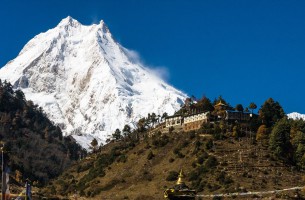
Mad Honey Hunting mainly takes place in the remote Himalayan regions of Nepal, especially in Gurung villages such as Bhujung, Pasgaon, Lamjung, Gorkha, and areas near the Annapurna and Manaslu regions.
Mad Honey Hunting is traditionally practiced by the Gurung and Magar communities, who have preserved this ancient Himalayan tradition for generations.
The best seasons for Mad Honey Hunting are spring (April to May) and autumn (October to November), when the honey harvesting season takes place under favorable weather conditions.
Most Mad Honey Hunting tours in Nepal last around 7 to 9 days, depending on the trekking route, village location, and travel itinerary.
The trek is considered moderately difficult. It involves walking through mountain trails, forests, and remote villages, so a basic level of physical fitness is recommended.
Yes, beginners can join the tour. The trek is manageable for travelers with average fitness, and experienced guides support participants throughout the journey.
Mad Honey is rare because it is harvested only during specific seasons from remote Himalayan cliffs where giant wild honeybees build their hives. The harvesting process is difficult and highly traditional.
Mad Honey Hunting involves risks because hunters climb steep cliffs using handmade rope ladders while dealing with large wild bees. However, experienced local hunters follow traditional techniques developed over generations.
Mad Honey Hunting is deeply connected to the culture and spiritual beliefs of Himalayan communities. Before the hunt, local hunters often perform rituals and prayers for protection, safety, and a successful harvest.
Mad Honey can be consumed safely in very small amounts. Excessive consumption is not recommended due to its strong natural compounds and effects.
The amount of Mad Honey harvested varies depending on weather, bee activity, and the number of active hives. In remote Himalayan regions, harvesting is usually limited and seasonal, making the honey highly valuable and rare.
Interested in the activity and want to save it for later. You can download the PDF version of the package by Clickling Below
Download PDFActivities you can Take part In
Duration :
1.5 Hrs

Region :
Pokhara, Nepal
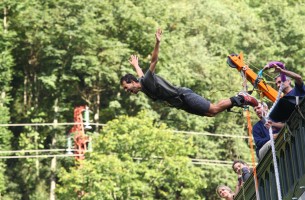
Nothing comes close to the insanely exhilarating and completely thrilling experience as bungee jumping. Try the 70 m tower bungee, which is extended over a river adjacent to a 50m cliff, located in Hemja. Once you jump, you feel the adrenaline rushing through your veins and you’re pledged to the emotions of the moment.
Duration :
45 mins
Region :
Pokhara
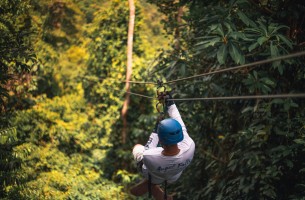
Get ready for the ultimate zipline experience in the heart of the Himalayas. The ZipFlyer is the steepest zipline in the world with an initial incline of 56 degrees and a total length of 1850 metres and a vertical drop of more than 600 metres. The location of the zipline is in one of the most beautiful spots where you get an opportunity to witness a 180-degree panorama of the magnificent Annapurna range as you come grinding down at over 85 miles per hour.
Duration :
3 Hrs
Region :
Pokhara, Nepal
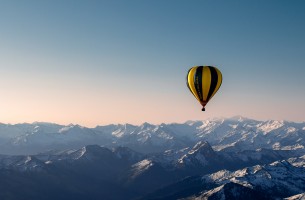
Discover the picturesque lake city of Pokhara from the air by riding the hot air balloon. From the beautiful views to the adrenaline rush of being in the air to the unique experience of being floated into the sky, it’s hard not to enjoy the fun hot air balloon ride. Feel the magic of soaring over a changing landscape at sunrise as you get a good opportunity to witness majestic and iconic mountains like Machhapuchre, Annapurna range, Dhaulagiri and Hiuchuli.
Duration :
2 Hrs
Region :
Pokhara, Nepal
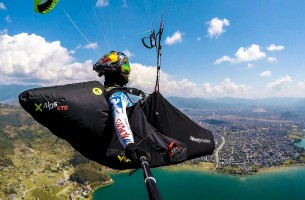
Relish the spectacular bird-eye views of the city of Lakeside, the Phewa lake and some majestic mountain ranges by soaring up in the air like a bird. Get ready for a picturesque paragliding experience from Sarangkot. Along with enjoying the paragliding flight, our main concern is your safety. Our highly trained and skilled tandem pilots will make sure you have a exhilarating experience while paragliding up in the air. They will also make proper use of the weather to decide when it is best to take-off and land.
Duration :
2 Days
Region :
Kathmandu, Nepal
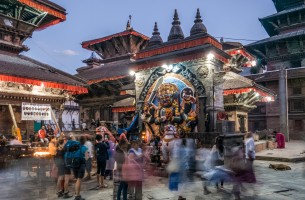
Nepal is sanctified with a rich unique culture. Its Social ritual and traditions are consisted as the way of life for entire society. Over the centuries the cultural heritage of

Duration :
1-3 Days
Region :
Nepal
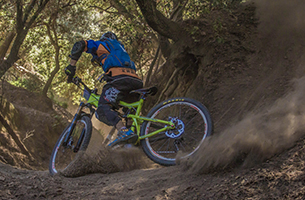
Nepal is emerging as a playground for mountain bikers and offers a great array of dirt roads that are perfect for off-road biking. A number of bicycles renting outlets and the easy availability of food and accommodation along the trail have contributed in making Nepal a paradise for mountain bikers. Peace Nepal Treks has excellent relations with the best-licensed biking companies in the industry and we will happily assist you should you choose to hit the dirt roads of Nepal.
Duration :
7-10 Days
Region :
Nepal
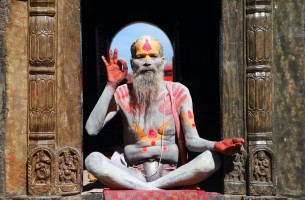
The Cultural and Spiritual Tour is an exceptional tour offered for people interested in learning about spiritualism and the Nepalese culture which has been around for thousands of years. Despite being a relatively small country, Nepal is extremely rich in culture, tradition, religion, landscapes and also has 123 languages spoken by people from different zones, districts, regions and cities of Nepal.
Duration :
10-15 Days
Region :
Nepal
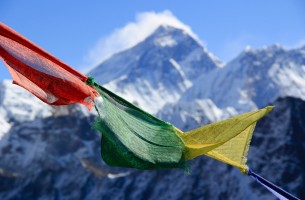
The “Himalayan Comfort Tour” is the perfect tour reimagined, encompassing both cultural elements and the incomparable nature of Nepal. It is one of the finest tours planned for those interested in culture, nature, and an easy Himalayan hike around 2,500m. Initially, this tour will take you through the best trekking routes and sights around the valley rim of Kathmandu and then to one of the best spot in Pokhara to gaze over the Annapurna area of the Himalayan Range.
Duration :
3 Hrs
Region :
Everest Region
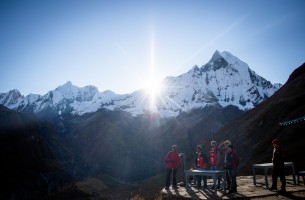
Everest Breakfast starts with a helicopter tour, transitioning through the valleys of Kathmandu to the heights of the Himalayas. Your first stop will be at Lukla Airport for a quick fuel refill where you will be requested to remain inside the helicopter. After the refuel, you will proceed to embark on the Mountain Flight. Witness the beauty of Mt. Everest up close and personal, towering majestically at an elevation of 8848 m.
Duration :
1-3 Hrs
Region :
Pokhara, Nepal
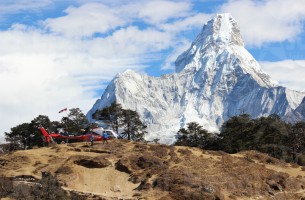
The scenic beauty of the Himalayan range of Mt. Annapurna is already so mesmerizing and we make it even more wonderful through our Helicopter Mountain Flight. Mount Annapurna (8091m) is surrounded by other 13 peaks over 7000m and 16 mountains over 6000m. In your flight around the Annapurna range you can see the magnificent view of snow-capped mountains like Mt. Annapurna, Mt. Annapurna II and Mt. Dhaulagiri.
Duration :
2-5 Hrs
Region :
Nepal
Nepal may be a distinctive country, where you may notice a harmonious mix of culture, nature, cuisine, arts, and design brimful with a limitless range of fun and frolic, unforgettable adventures, and an exclusiveness of temples and monuments. Himalaya is that the youngest nonetheless highest range within the world and forms a natural border for Nepal within the northern front.
Duration :
1-7 Days
Region :
Nepal
Are you seeking for the perfect destination to conduct your research? Why don't you think of going to Nepal for the research holidays? Nepal is a country of the Himalayas, hills and plain land. On the one hand, it has got diverse natural vistas and on the other, it is a melting pot of various cultures and traditions. Ethnic and indigenous along with Brahmin culture are heavily loaded with their distinct foods, dresses, festival celebrations, social communications and multiple other aspects. Except some topics about the technological inventions, you will find Nepal suitable for unlimited research topics.
Since 1969, we've helped more than 500,000 people of all ages enjoy the best outdoor experience of their lives. Whether it's for one day or a two-week vacation, close to home or a foreign land, our experienced, professional and customer-focused guides make all the difference.
Customize Your Trip


Copyright © All rights reserved | LAMA ADVENTURE - Nepal's Best Adventure and Travel Agency
Coded with by KTMRush